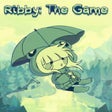
Ribby: A compact, hand-drawn RPG about a lost frog
Ribby: The Game, from Octolivvy, places players in the webbed feet of Ribby as they explore a strange, surreal world. The game combines exploration with turn-based combat and narrative choices to guide the protagonist through encounters and conversations. Key elements include hand-drawn 2D visuals, an original soundtrack, and multiple endings driven by player decisions. Fans of indie role-playing who value character-led stories and expressive art will find a focused, emotionally driven experience on Windows.
What kind of game is Ribby?
Ribby is an indie role-playing title that pairs exploration with tactical, menu-driven encounters. The core loop asks players to move through stylized environments, meet odd characters, and resolve conflicts through turn-based decisions. The narrative emphasis frames each encounter as a choice point, and those choices influence how scenes unfold. The single-player structure supports a paced, reflective playstyle centered on story beats rather than long-term resource management.
How does the combat and progression play out?
The combat system uses classic turn-based sequencing with a few bespoke mechanics to make encounters feel distinct. Players manage actions each turn and adapt to enemy patterns rather than juggling large inventories. Progression depends on narrative decisions and encounter outcomes, and the title signals that multiple endings reflect those choices. Combat is deliberate, focused on timing and selection, and encounters serve the story rather than extended grinding.
What does the game look and sound like?
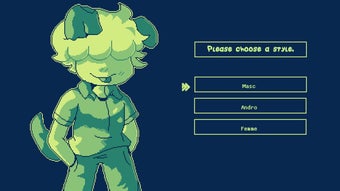
The visual identity relies on hand-drawn 2D art with an expressive, slightly surreal palette that sets it apart from pixel-based indie fare. An original soundtrack underpins atmosphere and emotional moments, reinforcing the game’s tone during exploration and battle. The presentation emphasizes character expression and mood; menus and screens maintain a simple layout that keeps attention on scenes and dialogue rather than complex HUD elements.
How long does it take to finish and what encourages replay?
The experience is intentionally compact, designed to be completed in roughly one to two hours, which encourages players to revisit choices. Replay value rests on branching conclusions and different interaction paths rather than procedurally generated content. Players who appreciate short, story-rich sessions can explore alternative endings to see how different social choices alter Ribby’s journey.
A focused pick for players who prefer short, character-driven RPGs
Ribby suits players seeking a concise, emotionally oriented adventure that fits into a single sitting; its tone favors reflection over extended progression. Players wanting long campaigns or deep mechanical systems should expect a brief, story-first outing rather than a sprawling RPG. For those who prize mood, art direction, and meaningful choices, Ribby is a compact, rewarding experience on PC.
Pros
Distinctive hand-drawn 2D art that defines the game's personality
Original soundtrack that reinforces atmosphere and emotional beats
Multiple endings that respond to player choices
Compact single-session design ideal for short play sessions
Cons
Short runtime may disappoint players seeking long campaigns
Single-player focus lacks multiplayer or community content
Emotional themes may not suit players seeking lighthearted action
Laws concerning the use of this software vary from country to country. We do not encourage or condone the use of this program if it is in violation of these laws. Softonic may receive a referral fee if you click or buy any of the products featured here.

.png)